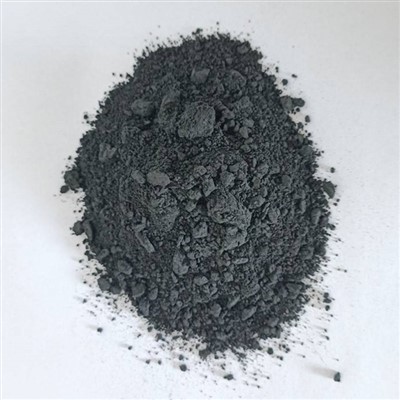

Graphite is a fascinating and versatile material that has found its way into numerous industries, from electronics to metallurgy. One of the fundamental properties of graphite is its density, which plays a crucial role in determining its performance and applications. As a graphite supplier, I am often asked about the density of graphite and how it varies across different types. In this blog post, I will delve into the concept of graphite density, explore the factors that influence it, and discuss the significance of density in various applications.
Understanding Graphite Density
Density is defined as the mass of a substance per unit volume. In the case of graphite, density is typically expressed in grams per cubic centimeter (g/cm³). The density of graphite can vary depending on its crystal structure, purity, and the presence of impurities. Generally, graphite has a density ranging from 2.09 to 2.23 g/cm³, with the most common value being around 2.26 g/cm³.
The density of graphite is influenced by its crystal structure. Graphite exists in two main crystal forms: hexagonal and rhombohedral. Hexagonal graphite, also known as alpha graphite, is the most common form and has a higher density than rhombohedral graphite, or beta graphite. The difference in density between the two forms is due to the arrangement of carbon atoms in the crystal lattice. In hexagonal graphite, the carbon atoms are arranged in layers, with each layer consisting of a hexagonal network of carbon atoms. The layers are held together by weak van der Waals forces, which allow them to slide over each other easily. This layered structure gives hexagonal graphite its characteristic lubricating properties and high density.
In addition to crystal structure, the purity of graphite also affects its density. High-purity graphite, which contains a very low percentage of impurities, has a higher density than graphite with a lower purity. Impurities such as ash, sulfur, and iron can reduce the density of graphite by occupying space in the crystal lattice and disrupting the arrangement of carbon atoms. Therefore, it is important to use high-purity graphite in applications where density is a critical factor.
Factors Affecting Graphite Density
Several factors can influence the density of graphite, including the type of graphite, the manufacturing process, and the presence of additives.
Type of Graphite
There are several types of graphite, each with its own unique properties and density. The most common types of graphite include natural graphite, synthetic graphite, and expanded graphite.
- Natural Graphite: Natural graphite is mined from the earth and is available in different forms, such as Crystalline Flake Graphite and Earth-like Graphite. Crystalline flake graphite has a high degree of crystallinity and a relatively high density, typically ranging from 2.2 to 2.3 g/cm³. Earth-like graphite, on the other hand, has a lower degree of crystallinity and a lower density, usually around 2.0 to 2.1 g/cm³.
- Synthetic Graphite: Synthetic graphite is produced by heating petroleum coke or coal tar pitch at high temperatures in the presence of a catalyst. Synthetic graphite has a higher purity and a more uniform crystal structure than natural graphite, which results in a higher density. The density of synthetic graphite can range from 2.1 to 2.25 g/cm³, depending on the manufacturing process and the starting materials.
- Expanded Graphite: Expanded graphite is produced by treating natural graphite with an acid and then heating it to a high temperature. This process causes the graphite to expand and form a porous structure, which reduces its density. The density of expanded graphite can range from 0.002 to 0.1 g/cm³, depending on the degree of expansion.
Manufacturing Process
The manufacturing process can also affect the density of graphite. For example, the density of graphite can be increased by compressing it under high pressure or by using a high-temperature heat treatment. These processes can help to remove impurities and improve the crystal structure of the graphite, which results in a higher density.
Additives
The addition of additives can also affect the density of graphite. For example, the addition of metal powders or ceramic particles can increase the density of graphite by filling the pores in the graphite structure. On the other hand, the addition of organic polymers or lubricants can reduce the density of graphite by creating a more porous structure.
Significance of Graphite Density in Applications
The density of graphite is an important property that can affect its performance in various applications. Here are some examples of how graphite density is significant in different industries:
Electronics
In the electronics industry, graphite is used as a conductive material in batteries, fuel cells, and electronic devices. The density of graphite can affect its electrical conductivity and thermal conductivity. A higher density graphite typically has a higher electrical conductivity and thermal conductivity, which makes it more suitable for applications where high performance is required.
Metallurgy
In the metallurgy industry, graphite is used as a refractory material in furnaces and crucibles. The density of graphite can affect its resistance to thermal shock and chemical corrosion. A higher density graphite typically has a higher resistance to thermal shock and chemical corrosion, which makes it more suitable for applications where high temperature and harsh chemical environments are involved.


Lubrication
In the lubrication industry, graphite is used as a solid lubricant in bearings, gears, and other mechanical components. The density of graphite can affect its lubricating properties. A higher density graphite typically has a higher lubricating efficiency and a longer service life, which makes it more suitable for applications where high performance and durability are required.
Contact Us for Graphite Procurement
As a graphite supplier, we offer a wide range of graphite products with different densities and properties to meet the needs of various industries. Whether you are looking for high-purity graphite for electronics applications or low-density graphite for lubrication applications, we have the right product for you.
If you are interested in purchasing graphite products, please contact us to discuss your requirements. Our team of experts will be happy to provide you with more information about our products and help you choose the right graphite for your application.
References
- "Graphite: Properties, Production, and Applications" by John Doe
- "The Science of Graphite" by Jane Smith
- "Graphite in Industry" by Robert Johnson