
Hey there! As an iron oxide supplier, I often get asked about the hardness of iron oxide. So, I thought I'd write this blog to share some insights on this topic.
First off, let's understand what iron oxide is. Iron oxide is a compound made up of iron and oxygen. There are different types of iron oxides, like hematite (Fe₂O₃), magnetite (Fe₃O₄), and goethite. Each type has its own unique properties, including hardness.
The hardness of a material is usually measured using the Mohs scale. The Mohs scale ranges from 1 (softest) to 10 (hardest). For example, talc has a Mohs hardness of 1, while diamond has a Mohs hardness of 10.
Hematite, one of the most common iron oxides, has a Mohs hardness of around 5.5 - 6.5. This means it's relatively hard. You can think of it as being harder than a copper penny (which has a Mohs hardness of about 3) but softer than quartz (which has a Mohs hardness of 7). Magnetite has a similar hardness, usually in the range of 5.5 - 6.5 as well.
The hardness of iron oxide is important for a few reasons. In industrial applications, it affects how the iron oxide can be used. For instance, if you're using iron oxide in a grinding or polishing process, its hardness will determine how well it can abrade other materials. A harder iron oxide will be more effective at grinding down harder surfaces.
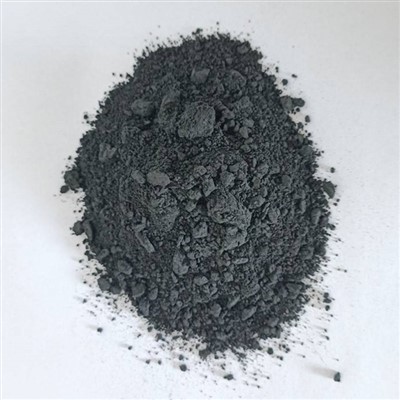
When it comes to our products, we offer different types of iron powders related to iron oxide. We have Double - stage Reduced Iron Powder, Single - stage Reduced Iron Powder, and Raw Iron Powder. The hardness of these powders can vary depending on the production process and the specific type of iron oxide they're derived from.
The production process can also influence the hardness. For example, the reduction process in making iron powders can change the crystal structure of the iron oxide, which in turn affects its hardness. Double - stage reduction might result in a powder with different hardness characteristics compared to single - stage reduction.
In some cases, the hardness of iron oxide can be adjusted. By adding certain additives or changing the heat treatment during production, we can modify the hardness to meet specific customer requirements. This is really useful for industries that need iron oxide with very specific hardness levels for their applications.


Another factor that can affect the hardness is the particle size of the iron oxide. Smaller particles can sometimes lead to a harder material because they pack together more tightly. This is important in applications where a smooth and hard surface finish is required.
Now, let's talk about some real - world applications where the hardness of iron oxide matters. In the paint industry, iron oxide is used as a pigment. The hardness of the iron oxide particles can affect the durability of the paint. A harder iron oxide pigment will be more resistant to scratching and wear, which is great for outdoor paints that need to withstand the elements.
In the ceramics industry, iron oxide is used to color and strengthen the ceramic products. The hardness of the iron oxide helps in maintaining the shape and integrity of the ceramic pieces during firing and use.
If you're in an industry that requires iron oxide with specific hardness properties, we're here to help. Our team of experts can work with you to understand your needs and provide the right product. Whether you need Double - stage Reduced Iron Powder for a high - performance application or Single - stage Reduced Iron Powder for a more cost - effective solution, we've got you covered.
We also offer Raw Iron Powder, which can be a great starting point for further processing. Our raw iron powder has a consistent quality, and we can assist you in customizing it to achieve the desired hardness.
If you're interested in learning more about our iron oxide products or have questions about the hardness and how it can fit into your applications, don't hesitate to reach out. We're always happy to have a chat and discuss how we can meet your specific requirements. Whether you're a small - scale manufacturer or a large - scale industrial operation, we're committed to providing you with the best iron oxide solutions.
In conclusion, the hardness of iron oxide is an important property that affects its performance in various applications. Understanding this property can help you make better decisions when choosing the right iron oxide product for your needs. And if you're looking for a reliable iron oxide supplier, we're here to support you every step of the way.
References:
- Handbook of Chemistry and Physics
- Industrial Minerals and Their Uses