
Testing the quality of barite is a crucial process for any barite supplier, including myself. Barite, also known as baryte, is a mineral composed of barium sulfate (BaSO₄). It has a wide range of applications, from oil and gas drilling to the production of paints, plastics, and rubber. As a barite supplier, ensuring the high - quality of our product is essential for maintaining customer satisfaction and meeting industry standards.
Physical Properties Testing
Density
One of the primary physical properties to test is the density of barite. Barite has a relatively high density, typically around 4.2 - 4.6 g/cm³. To measure the density, we use a pycnometer. First, we weigh an empty pycnometer. Then, we fill it with a known mass of barite and re - weigh it. After that, we fill the pycnometer with a liquid of known density (usually water) and measure the total mass again. By using the appropriate calculations, we can determine the density of the barite sample. A deviation from the standard density range may indicate impurities or a non - optimal crystal structure.
Particle Size Distribution
The particle size of barite is another important factor. In many applications, such as in the paint and coating industry, a specific particle size distribution is required. We use a laser diffraction particle size analyzer to measure the particle size. This instrument works by shining a laser beam through a suspension of barite particles. The scattered light is then detected and analyzed to determine the size of the particles. A narrow particle size distribution is often preferred as it can lead to better performance in end - products. For example, in oil well drilling fluids, a proper particle size distribution helps in maintaining the viscosity and suspension properties of the fluid.
Color
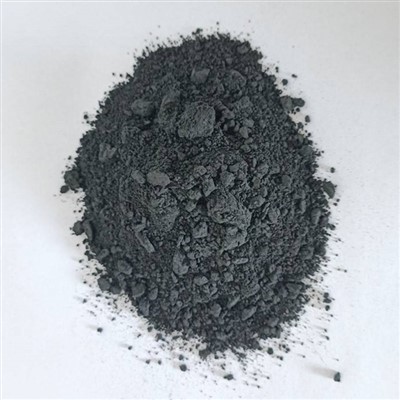
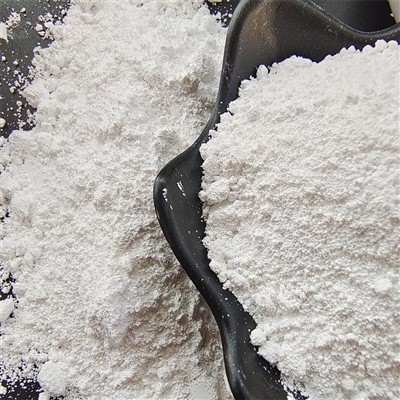
The color of barite can vary from white to gray, brown, or even blue. While color is not always a direct indicator of quality, it can provide some clues. For instance, a pure white barite is generally considered to have fewer impurities. We use a colorimeter to measure the color of barite samples. This device measures the color in terms of parameters such as L* (lightness), a* (red - green axis), and b* (yellow - blue axis). Any significant deviation from the expected color range may suggest the presence of contaminants or improper processing.
Chemical Composition Analysis
Barium Sulfate Content
The most important chemical component of barite is barium sulfate. We use various methods to determine the BaSO₄ content. One common method is gravimetric analysis. In this process, a sample of barite is dissolved in appropriate reagents, and the barium sulfate is precipitated out. The precipitate is then filtered, washed, dried, and weighed. The mass of the barium sulfate obtained is used to calculate its percentage in the original barite sample. High - quality barite should have a BaSO₄ content of at least 90%.
Impurity Analysis
Barite may contain various impurities such as silica, iron oxide, and strontium sulfate. These impurities can affect the performance of barite in different applications. We use techniques like X - ray fluorescence (XRF) spectroscopy to analyze the elemental composition of barite. XRF works by irradiating the sample with X - rays, which causes the atoms in the sample to emit characteristic fluorescent X - rays. By analyzing the energy and intensity of these fluorescent X - rays, we can determine the types and amounts of different elements present in the barite. For example, high levels of iron oxide can cause discoloration and may affect the chemical reactivity of barite in some applications.
Solubility Testing
The solubility of barite in different solvents is also an important aspect of quality testing. In general, barite is insoluble in water and most common acids. However, in some industrial processes, the solubility behavior of barite can be critical. We conduct solubility tests by adding a known amount of barite to a specific solvent and agitating the mixture for a certain period. After that, we filter the solution and analyze the amount of dissolved barite. If barite shows unexpected solubility in a particular solvent, it may indicate the presence of impurities or a different crystal structure.
Thermal Stability Testing
Barite is often used in applications where it is exposed to high temperatures, such as in oil well drilling. Therefore, testing its thermal stability is crucial. We use a thermogravimetric analyzer (TGA) to study the thermal behavior of barite. In a TGA, the barite sample is heated at a controlled rate, and the change in its mass is recorded as a function of temperature. A stable barite sample should show minimal mass loss up to a certain temperature. Any significant mass loss at relatively low temperatures may indicate the presence of volatile impurities or a decomposition of the barite structure.
Applications - Specific Testing
Depending on the intended application of barite, additional tests may be required. For example, in the oil and gas industry, barite is used as a weighting agent in drilling fluids. In this case, we need to test the rheological properties of the barite - containing drilling fluid. We use a viscometer to measure the viscosity of the fluid at different shear rates. The fluid should have the appropriate viscosity to ensure proper suspension of cuttings and efficient drilling operations.
In the paint industry, barite is used as a filler. We test the hiding power and gloss of paint formulations containing barite. The hiding power is measured by applying the paint on a substrate and determining the amount of paint needed to cover the substrate completely. The gloss is measured using a gloss meter. These tests help us ensure that the barite meets the specific requirements of the paint industry.


As a barite supplier, we are committed to providing high - quality barite products. Our comprehensive testing procedures ensure that our barite meets the strictest industry standards. If you are in the market for barite, whether it is Ba Sulfate or Precipitated Barium Sulfate, we invite you to contact us for further discussions and to start a procurement negotiation. We are confident that our products will meet your needs and expectations.
References
- ASTM International. Standard test methods for barite used as a weighting material in drilling fluids.
- Kirk - Othmer Encyclopedia of Chemical Technology. Barite and its applications.
- Journal of Minerals and Materials Characterization and Engineering. Research on the quality control of barite.