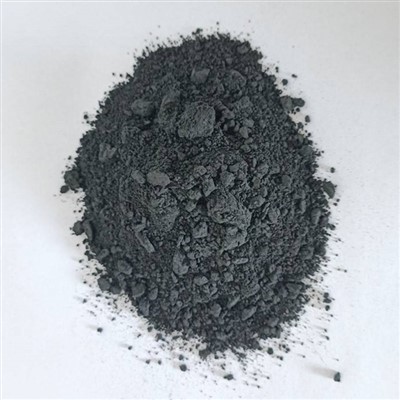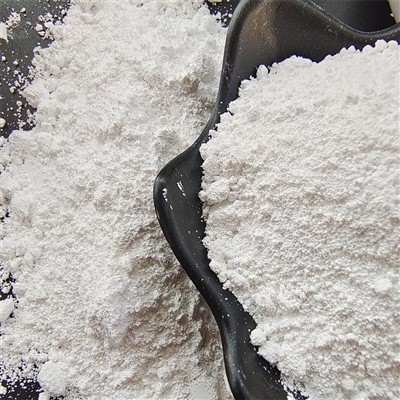

Silica powder, a fine-grained form of silicon dioxide, has gained significant prominence in the construction industry due to its diverse properties and wide range of applications. As a leading silica powder supplier, I am excited to share insights into the various uses of this remarkable material in construction.
Reinforcement in Concrete
One of the primary applications of silica powder in the construction industry is its use as a supplementary cementitious material in concrete. When added to concrete mixtures, silica powder reacts with calcium hydroxide, a by - product of cement hydration, to form additional calcium silicate hydrate (C - S - H) gel. This reaction, known as the pozzolanic reaction, enhances the strength and durability of concrete.
The fine particles of silica powder fill the voids between cement particles, improving the packing density of the concrete matrix. This results in a denser and more impermeable concrete structure, which is more resistant to water penetration, chemical attacks, and freeze - thaw cycles. For example, in high - rise buildings and bridges, where long - term durability is crucial, concrete with silica powder can significantly extend the service life of the structure. You can find high - quality Silica Powder from our product range, which is specifically designed to meet the demanding requirements of such construction projects.
Improvement of Mortar Performance
Silica powder also plays an important role in mortar. Mortar is used for bonding bricks, stones, and other masonry units. By adding silica powder to mortar, the workability and adhesion of the mortar can be improved. The fine particles of silica powder act as a lubricant, making the mortar easier to spread and apply.
Moreover, the pozzolanic reaction in mortar with silica powder increases its strength and reduces shrinkage. This is particularly important in applications where precise joints are required, such as in historical building restorations or high - end masonry work. Our Active Silica Micropowder is an excellent choice for enhancing the performance of mortar, as it has a high reactivity and can effectively improve the overall quality of the mortar.
Use in Fire - Resistant Materials
Silica powder has excellent thermal stability and can be used to produce fire - resistant materials in the construction industry. When incorporated into fire - resistant coatings, insulation materials, or fire - proof bricks, silica powder helps to improve the fire - resistance of these products.
The high melting point of silica powder allows it to withstand high temperatures without significant degradation. In the event of a fire, the silica - containing materials can act as a barrier, preventing the spread of flames and heat. This is crucial for ensuring the safety of buildings and protecting occupants from fire hazards. For large - scale industrial buildings or public facilities, fire - resistant materials with silica powder can provide an extra layer of protection.
Production of Glass and Ceramics in Construction
Silica powder is a key raw material in the production of glass and ceramics used in construction. In glass manufacturing, silica powder is the main component, providing the basic structure of the glass. Different types of glass, such as float glass, tempered glass, and insulated glass, all rely on high - quality silica powder for their production.
In the case of ceramics, silica powder is used to adjust the properties of ceramic materials, such as their strength, hardness, and thermal expansion coefficient. Ceramic tiles, sanitary ware, and other ceramic products used in construction often contain silica powder to improve their performance and appearance. Our Spherical Silica Micropowder is highly suitable for glass and ceramic production, as its spherical shape provides better flowability and packing characteristics.


Application in Grouting Materials
Grouting materials are used to fill voids, strengthen foundations, and repair concrete structures. Silica powder can be added to grouting materials to improve their properties. It increases the viscosity and stability of the grout, preventing it from segregating and ensuring a more uniform distribution in the voids.
The pozzolanic reaction of silica powder in grouting materials also enhances the strength of the grout over time. This is important for applications such as foundation grouting in large - scale construction projects, where the long - term stability of the foundation is essential.
Considerations for Using Silica Powder in Construction
When using silica powder in construction, several factors need to be considered. First, the quality of the silica powder is crucial. High - purity silica powder with a proper particle size distribution is required to achieve the desired performance. Second, the dosage of silica powder in the concrete, mortar, or other construction materials needs to be carefully determined. An appropriate dosage can optimize the properties of the materials, while an excessive or insufficient dosage may lead to negative effects.
In addition, the compatibility of silica powder with other additives and materials in the construction mixture should be taken into account. Some additives may interact with silica powder, affecting its performance. Therefore, it is necessary to conduct proper testing and quality control before using silica powder in large - scale construction projects.
Conclusion
Silica powder offers a wide range of benefits in the construction industry, from enhancing the strength and durability of concrete and mortar to improving the fire - resistance of materials and being a key component in glass and ceramic production. As a silica powder supplier, we are committed to providing high - quality products that meet the diverse needs of the construction industry.
If you are involved in a construction project and are interested in using silica powder, we invite you to contact us for more information and to discuss your specific requirements. Our team of experts can provide you with professional advice and solutions to ensure the successful use of silica powder in your project.
References
- Neville, A. M. (2011). Properties of Concrete. Pearson Education.
- Mindess, S., Young, J. F., & Darwin, D. (2014). Concrete. Prentice Hall.
- Mehta, P. K., & Monteiro, P. J. M. (2013). Concrete: Microstructure, Properties, and Materials. McGraw - Hill.