
As a supplier of Bauxite Powder, I've witnessed firsthand the diverse applications and unique properties of this remarkable material. One of the most intriguing aspects of bauxite powder is its swelling properties. In this blog, I'll delve into what these swelling properties are, why they matter, and how they can impact various industries.
Understanding Bauxite Powder
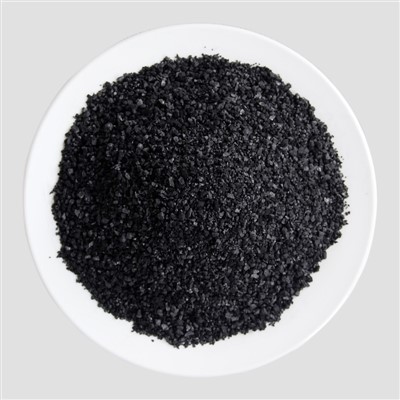
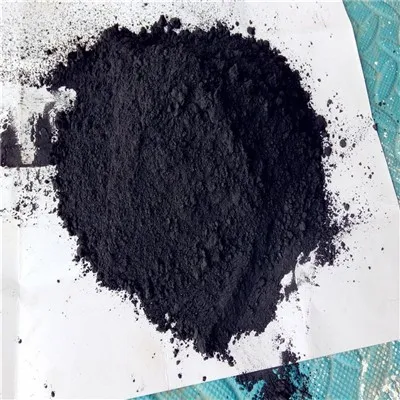
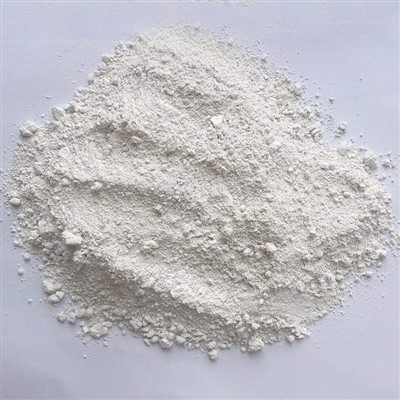
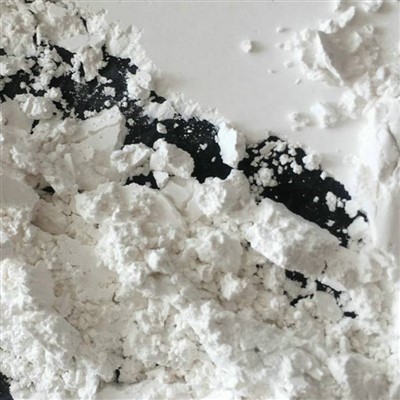
Before we explore the swelling properties, let's first understand what bauxite powder is. Bauxite is a sedimentary rock that is the primary source of aluminum. It is rich in aluminum oxides and hydroxides, along with various other minerals. When bauxite is processed and ground into a fine powder, it becomes bauxite powder, which has a wide range of industrial applications. You can learn more about Bauxite Powder on our website.
Swelling Mechanisms of Bauxite Powder
The swelling of bauxite powder is primarily due to its interaction with water. Bauxite contains clay minerals such as kaolinite, illite, and montmorillonite. These clay minerals have a layered structure, and when they come into contact with water, water molecules can penetrate between the layers.
Hydration and Expansion
The water molecules are attracted to the charged surfaces of the clay minerals. As water enters the inter - layer spaces, it causes the layers to separate and expand. This process is known as hydration. The degree of swelling depends on several factors, including the type and amount of clay minerals present in the bauxite powder, the particle size of the powder, and the chemical composition of the water.
For example, montmorillonite is a highly swelling clay mineral. Bauxite powder with a higher proportion of montmorillonite will exhibit more significant swelling compared to bauxite powder with a lower montmorillonite content. The particle size also plays a role. Finer particles have a larger surface area, which allows for more water to be absorbed and, consequently, more swelling.
Ion Exchange
Another factor contributing to the swelling of bauxite powder is ion exchange. Clay minerals in bauxite have exchangeable cations on their surfaces. When bauxite powder is in contact with water, these cations can be replaced by other cations in the water. This ion - exchange process can change the surface charge of the clay particles and affect the swelling behavior. For instance, if the water contains a high concentration of sodium ions, the sodium ions can replace the calcium or magnesium ions on the clay surface. Sodium - saturated clays tend to swell more than calcium - or magnesium - saturated clays.
Importance of Swelling Properties in Different Industries
Construction Industry
In the construction industry, the swelling properties of bauxite powder can have both positive and negative impacts. On one hand, bauxite powder can be used as an additive in concrete. The swelling of the powder can help to fill the voids in the concrete structure, improving its density and strength. However, if the swelling is not properly controlled, it can cause cracking and deformation of the concrete.
For example, in areas with high groundwater levels, the bauxite powder in the concrete may absorb water and swell, leading to structural damage over time. Engineers need to carefully consider the swelling potential of bauxite powder when using it in construction projects.
Oil and Gas Industry
In the oil and gas industry, bauxite powder is used in drilling fluids. The swelling properties of the powder are crucial for maintaining the stability of the wellbore. When the bauxite powder swells in the drilling fluid, it forms a filter cake on the wellbore wall. This filter cake helps to prevent the loss of drilling fluid into the surrounding rock formations and also provides support to the wellbore.
However, excessive swelling can cause problems such as stuck pipe and reduced drilling efficiency. Therefore, the swelling properties of bauxite powder need to be optimized to ensure the smooth operation of drilling activities.
Ceramics Industry
In the ceramics industry, bauxite powder is a key raw material. The swelling properties of the powder can affect the shaping and firing processes. During the shaping stage, the swelling of the powder can help to improve the plasticity of the ceramic body, making it easier to form complex shapes.
During firing, the swelling and subsequent shrinkage of the bauxite powder need to be carefully controlled to avoid cracking and warping of the ceramic products. Manufacturers need to understand the swelling behavior of bauxite powder to produce high - quality ceramic products.
Controlling the Swelling Properties of Bauxite Powder
To harness the benefits of the swelling properties of bauxite powder while minimizing the negative impacts, it is essential to control its swelling behavior.
Chemical Additives
One way to control the swelling is by using chemical additives. For example, polymers can be added to the bauxite powder to reduce its swelling. These polymers can form a coating on the surface of the clay particles, preventing water from entering the inter - layer spaces.
Another approach is to use salts. Salts such as calcium chloride can be added to the water to reduce the swelling of bauxite powder. The calcium ions in the salt can replace the sodium ions on the clay surface, reducing the swelling tendency.
Heat Treatment
Heat treatment can also be used to modify the swelling properties of bauxite powder. When bauxite powder is heated, the clay minerals undergo structural changes. The water molecules in the inter - layer spaces are removed, and the layers become more tightly packed. This reduces the swelling potential of the powder.
Conclusion
The swelling properties of bauxite powder are a complex and important aspect of its behavior. Understanding these properties is crucial for various industries that use bauxite powder. As a supplier of Bauxite Powder, we are committed to providing high - quality products with well - controlled swelling properties.
If you are interested in purchasing bauxite powder for your specific application, we would be delighted to discuss your requirements. Our team of experts can provide you with detailed information about the swelling properties of our products and how they can meet your needs. Contact us today to start a procurement discussion.


References
- Grim, R. E. (1968). Clay Mineralogy. McGraw - Hill Book Company.
- Mitchell, J. K. (1976). Fundamentals of Soil Behavior. John Wiley & Sons.
- ASTM International. (2019). Standard Test Methods for Swell Potential of Soils. ASTM D4546.