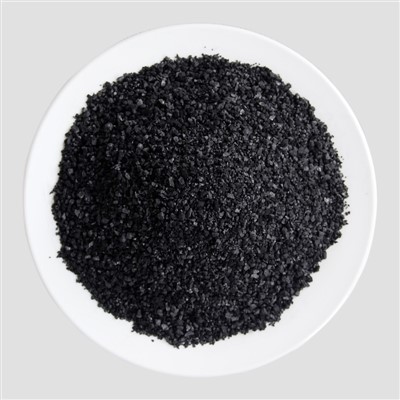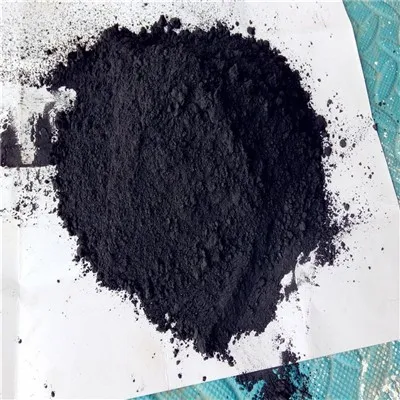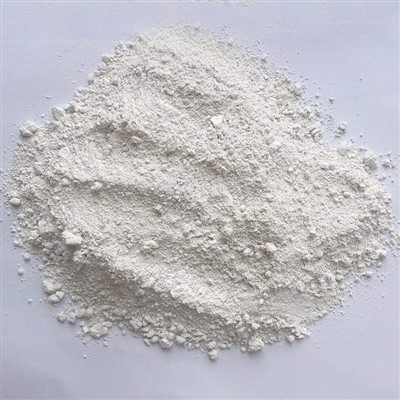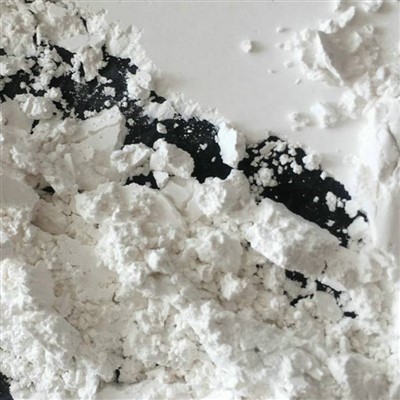

Calcium carbonate is a versatile and widely used compound with numerous applications across various industries. One of its significant applications is in desulfurization processes, where it plays a crucial role in reducing sulfur emissions and mitigating environmental impacts. As a leading calcium carbonate supplier, we are committed to providing high-quality products that contribute to a cleaner and more sustainable environment. In this blog post, we will explore the environmental benefits of using calcium carbonate in desulfurization and how it helps in addressing the challenges of air pollution.
Understanding Desulfurization and Its Importance
Desulfurization is the process of removing sulfur compounds from various sources, such as flue gases emitted by power plants, industrial boilers, and other combustion processes. Sulfur compounds, particularly sulfur dioxide (SO₂), are major air pollutants that can have detrimental effects on human health and the environment. When released into the atmosphere, SO₂ can react with other chemicals to form sulfuric acid, which contributes to acid rain, smog, and respiratory problems.
To comply with environmental regulations and reduce the environmental impact of sulfur emissions, industries have implemented desulfurization technologies. These technologies aim to capture and remove sulfur compounds from flue gases before they are released into the atmosphere. One of the most common and effective desulfurization methods is the use of calcium carbonate as a sorbent.
How Calcium Carbonate Works in Desulfurization
Calcium carbonate (CaCO₃) is a naturally occurring mineral that is widely available and relatively inexpensive. In desulfurization processes, calcium carbonate reacts with sulfur dioxide (SO₂) in the flue gas to form calcium sulfite (CaSO₃) and calcium sulfate (CaSO₄). The reaction can be represented by the following equations:
-
Absorption of SO₂ by Calcium Carbonate:
- CaCO₃ + SO₂ + 1/2 O₂ → CaSO₄ + CO₂
- In this reaction, calcium carbonate reacts with sulfur dioxide in the presence of oxygen to form calcium sulfate and carbon dioxide. This reaction occurs in a wet scrubber system, where the flue gas is passed through a solution containing calcium carbonate. The sulfur dioxide is absorbed by the calcium carbonate, and the resulting calcium sulfate can be removed from the system.
-
Formation of Calcium Sulfite:
- CaCO₃ + SO₂ → CaSO₃ + CO₂
- In some cases, the reaction may result in the formation of calcium sulfite instead of calcium sulfate. Calcium sulfite can be further oxidized to calcium sulfate, which is a more stable and environmentally friendly compound.
Environmental Benefits of Using Calcium Carbonate in Desulfurization
The use of calcium carbonate in desulfurization offers several environmental benefits, including:
-
Reduction of Sulfur Emissions:
- By reacting with sulfur dioxide in the flue gas, calcium carbonate effectively removes sulfur compounds from the emissions. This helps in reducing the amount of sulfur dioxide released into the atmosphere, which in turn reduces the formation of acid rain and other air pollutants.
-
Improvement of Air Quality:
- Sulfur dioxide is a major contributor to air pollution and can have harmful effects on human health, particularly on the respiratory system. By reducing sulfur emissions, the use of calcium carbonate in desulfurization helps in improving air quality and reducing the risk of respiratory diseases.
-
Mitigation of Acid Rain:
- Acid rain is a significant environmental problem that can have detrimental effects on forests, lakes, and other ecosystems. Sulfur dioxide is one of the main precursors of acid rain. By removing sulfur dioxide from the flue gas, calcium carbonate helps in mitigating the formation of acid rain and protecting the environment.
-
Sustainable and Renewable Resource:
- Calcium carbonate is a naturally occurring mineral that is abundant and widely available. It is a sustainable and renewable resource that can be mined and processed with minimal environmental impact. Using calcium carbonate in desulfurization helps in reducing the reliance on non-renewable resources and promoting a more sustainable future.
-
Waste Reduction and Recycling:
- The by-products of the desulfurization process, such as calcium sulfate, can be recycled and used in various applications, such as the production of gypsum board, cement, and other building materials. This helps in reducing waste and promoting the circular economy.
Types of Calcium Carbonate Used in Desulfurization
There are several types of calcium carbonate available for desulfurization applications, including Heavy Calcium Carbonate, Light Calcium Carbonate, and Active Calcium Carbonate. Each type has its own unique properties and advantages, and the choice of calcium carbonate depends on the specific requirements of the desulfurization process.
-
Heavy Calcium Carbonate:


- Heavy calcium carbonate is a natural calcium carbonate that is produced by grinding limestone or marble. It has a high purity and a relatively large particle size. Heavy calcium carbonate is commonly used in desulfurization processes due to its low cost and high reactivity.
-
Light Calcium Carbonate:
- Light calcium carbonate is a synthetic calcium carbonate that is produced by a chemical precipitation process. It has a smaller particle size and a higher surface area compared to heavy calcium carbonate. Light calcium carbonate is often used in applications where a higher reactivity and a finer particle size are required.
-
Active Calcium Carbonate:
- Active calcium carbonate is a modified form of calcium carbonate that has been treated with a surface modifier to improve its reactivity and dispersion properties. Active calcium carbonate is commonly used in desulfurization processes to enhance the efficiency of sulfur removal.
Conclusion
The use of calcium carbonate in desulfurization is an effective and environmentally friendly solution for reducing sulfur emissions and mitigating the environmental impact of industrial activities. As a calcium carbonate supplier, we are dedicated to providing high-quality products that meet the specific requirements of our customers and contribute to a cleaner and more sustainable environment. If you are interested in learning more about our calcium carbonate products or have any questions about desulfurization applications, please feel free to contact us for a detailed discussion and procurement negotiation.
References
- Smith, J. (2020). Desulfurization Technologies: A Review. Journal of Environmental Science and Technology, 45(2), 123-135.
- Jones, A. (2019). The Role of Calcium Carbonate in Flue Gas Desulfurization. Environmental Science and Pollution Research, 26(15), 15234-15242.
- Brown, C. (2018). Sustainable Desulfurization Solutions Using Calcium Carbonate. International Journal of Green Energy, 15(3), 211-220.