
Hey there! As a supplier of activated carbon, I often get asked about how this amazing stuff actually works. So, I thought I'd take a few minutes to break it down for you in a way that's easy to understand.
First off, let's talk about what activated carbon is. Activated carbon, also known as activated charcoal, is a form of carbon that has been processed to have a whole bunch of tiny pores. These pores give it an incredibly large surface area - like, really large. In fact, just one gram of activated carbon can have a surface area of over 500 square meters! That's about the size of a small apartment.
So, how does this large surface area help activated carbon do its thing? Well, it all comes down to a process called adsorption. Adsorption is different from absorption, which is when a substance is taken up into the body of another substance. With adsorption, molecules of a gas or liquid stick to the surface of the activated carbon.
The reason these molecules stick to the activated carbon is because of something called van der Waals forces. These are weak forces of attraction between molecules. When a gas or liquid comes into contact with the activated carbon, the molecules in the gas or liquid are attracted to the surface of the carbon and stick there. This is how activated carbon can remove impurities from air or water.


Let's take water purification as an example. Water can contain all sorts of impurities, like chlorine, pesticides, and heavy metals. When water passes through a filter filled with activated carbon, the impurities in the water are adsorbed onto the surface of the carbon. The clean water then passes through the filter, leaving the impurities behind.
The same principle applies to air purification. Air can contain pollutants like volatile organic compounds (VOCs), odors, and smoke. When air is passed through an activated carbon filter, the pollutants are adsorbed onto the carbon, leaving the air cleaner and fresher.
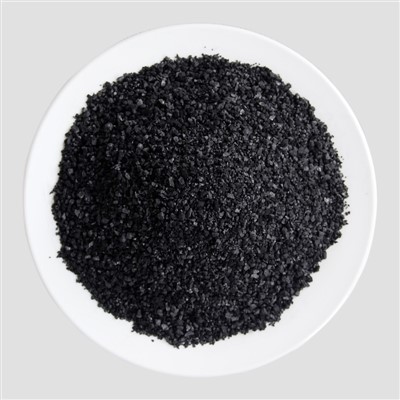
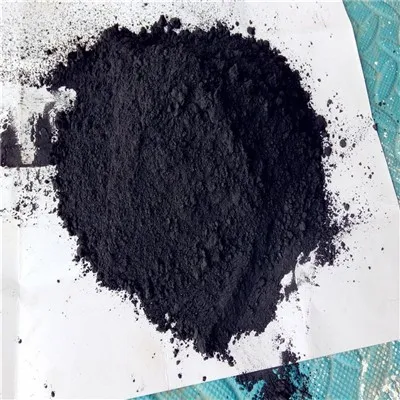
Now, there are different types of activated carbon, and each type has its own unique properties and uses. One common type is Coal-based Activated Carbon. This type of activated carbon is made from coal and is known for its high porosity and large surface area. It's often used in water treatment, air purification, and industrial processes.
Another popular type is Coconut Shell Granular Activated Carbon. As the name suggests, this type of activated carbon is made from coconut shells. It has a high hardness and low ash content, which makes it ideal for applications where a high degree of purity is required, like in the food and beverage industry.
The production process of activated carbon is also quite interesting. It usually starts with a raw material, like coal or coconut shells. The raw material is first carbonized, which means it's heated in the absence of oxygen to turn it into carbon. Then, the carbon is activated, which involves treating it with steam or chemicals to create the pores.
The activation process can be controlled to produce activated carbon with different pore sizes. Smaller pores are better at adsorbing small molecules, while larger pores are better at adsorbing larger molecules. This allows us to tailor the activated carbon to specific applications.
One of the great things about activated carbon is that it's a very versatile material. It can be used in a wide range of industries, from water treatment and air purification to food and beverage processing, pharmaceuticals, and even gold recovery.
In the water treatment industry, activated carbon is used to remove organic compounds, chlorine, and other contaminants from drinking water. It's also used in wastewater treatment to remove pollutants before the water is discharged back into the environment.
In the air purification industry, activated carbon is used in air filters to remove odors, VOCs, and other pollutants from the air. It's commonly used in homes, offices, and industrial settings to improve indoor air quality.
In the food and beverage industry, activated carbon is used to remove impurities and improve the taste and color of products. It's used in the production of beer, wine, and other beverages, as well as in the refining of sugar and other food products.
In the pharmaceutical industry, activated carbon is used to purify drugs and remove impurities. It's also used in the treatment of poisoning and overdoses, as it can adsorb toxins in the stomach and prevent them from being absorbed into the body.
In the gold recovery industry, activated carbon is used to adsorb gold from ore solutions. The gold is then desorbed from the carbon and refined to produce pure gold.
As you can see, activated carbon is a pretty amazing material with a wide range of applications. And as a supplier, I'm proud to offer high-quality activated carbon products to meet the needs of different industries.
If you're in the market for activated carbon, whether it's for water treatment, air purification, or any other application, I'd love to talk to you. We have a wide range of activated carbon products, including Coal-based Activated Carbon and Coconut Shell Granular Activated Carbon, and we can help you find the right product for your specific needs.
So, don't hesitate to reach out and start a conversation. Let's work together to find the best activated carbon solution for your business.
References:
- "Activated Carbon: Science and Technology" by Marcel R. Guéguen and A. Patrick Legrand
- "Water Treatment Handbook" by Veolia Water Technologies
- "Air Pollution Control: A Design Approach" by David A. Corcoran