

Part 1: Product Overview
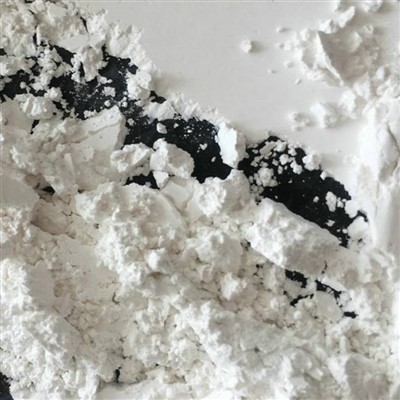
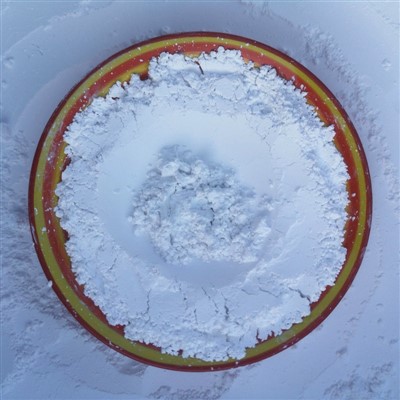
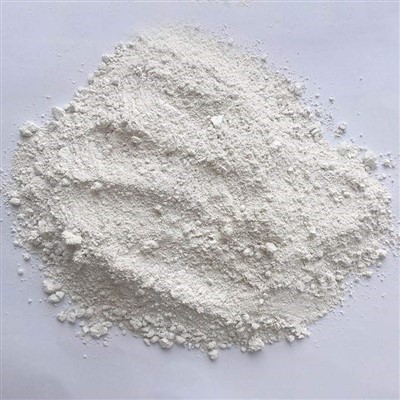
Precipitated Calcium Carbonate (PCC), commonly referred to as light calcium carbonate, is a powdered material produced from limestone and other raw materials through chemical processes including calcination, digestion, carbonation, dehydration, drying and grinding. It is called "light" calcium carbonate because its sedimentation volume (2.4–2.8 mL/g) is higher than that of ground calcium carbonate (1.1–1.4 mL/g) produced by mechanical methods.
Our PCC products are made from selected high-quality limestone ores using advanced precipitation technology. By precisely controlling reaction conditions, we produce PCC with various morphologies, such as spindle, cubic, acicular and chain-like structures.
The products feature high purity (CaCO₃ ≥ 98%), excellent whiteness (≥ 92%), controllable particle size, high oil absorption and low heavy metal content. They are widely used in rubber, plastics, coatings, papermaking, food, pharmaceuticals, toothpaste and many other industries.
Differences Between PCC and GCC
Light Calcium Carbonate (PCC): Produced by chemical synthesis; regular particle shape (mostly spindle-shaped); low bulk density (0.5–0.7 g/cm³); high oil absorption; excellent reinforcing performance.
Ground Calcium Carbonate (GCC): Produced by physical grinding; irregular particle shape; high bulk density (0.8–1.3 g/cm³); low oil absorption; lower cost.
Part 2: Core Advantages & Properties

Chemically Synthesized, Uniform Particles
Produced via precipitation, enabling precise control of particle morphology and size. Conventional PCC is spindle-shaped, with a length of 5–12 μm and diameter of 1–3 μm. Nano-grade products can be cubic, acicular, etc.

High Purity, Low Impurities
CaCO₃ content ≥ 98%. Food-grade and pharmaceutical-grade products have even higher purity, with heavy metals such as lead, arsenic and mercury strictly controlled within safe limits.

High Whiteness, Pure Color
Whiteness of standard PCC reaches 92%–95%, and some high-brightness grades exceed 97%, effectively improving the whiteness and gloss of finished products.

Large Sedimentation Volume, High Oil Absorption
Sedimentation volume: 2.4–2.8 mL/g (3.0–4.0 mL/g for nano-grade). Higher oil absorption than GCC improves wetting and reinforcement in rubber.

Excellent Reinforcement
Provides higher tensile strength, wear resistance and tear strength than pure rubber vulcanizates, with significant reinforcing effects.

Good Thermal Stability
Stable in air; decomposes into calcium oxide and carbon dioxide at 825–896.6 °C. Melting point: 1339 °C. Slightly soluble in water, soluble in acid with CO₂ release.

Safe & Eco-friendly
Non-toxic, odorless and tasteless. Complies with food and pharmaceutical safety standards, suitable for food, medicine, cosmetics and other fields.
Core Indicators of PCC
|
Item |
Unit |
Index Range |
|
CaCO₃ content |
% |
≥ 98.0 |
|
Whiteness |
% |
92–97 |
|
Moisture |
% |
≤ 0.3–0.5 |
|
Sedimentation volume |
mL/g |
2.4–2.8 (3.0–4.0 for nano-grade) |
|
Bulk density |
g/cm³ |
0.5–0.7 |
|
pH value |
- |
8–10 |
|
HCl-insoluble matter |
% |
≤ 0.1–0.2 |
|
Residue on sieve (45 μm) |
% |
≤ 0.5 |
Note: Actual specifications subject to inspection report.
Part 3: Main Application Fields
Thanks to uniform particles, high purity and good reinforcement, PCC is widely used in traditional and high-end fine chemical industries. Plastics is the largest application, accounting for about 33%.
1. Rubber Industry (Largest Traditional Market)
Calcium carbonate is one of the earliest and most widely used fillers in rubber.
Reinforcement
Improves tensile strength, wear resistance and tear strength.
Cost reduction
Increases volume, saves expensive natural rubber.
Processability
Adjusts consistency, improves processing and vulcanization.
Typical uses
Tires, conveyor belts, hoses, tapes, footwear, sponge, seals, medical rubber products. Used in Tesla Model 3 at about 7.2 kg per vehicle.
2. Plastics Industry
Acts as a skeleton stabilizer for plastic products.
Strengthening & toughening
Improves hardness, rigidity, heat resistance and dimensional stability.
01
Appearance
Enhances surface gloss and flatness; high whiteness replaces part of white pigment.
02
Processability
Improves flow and mixing properties.
03
Typical uses
PVC cables, profiles, pipes, flooring, films, masterbatches, plastic doors and windows.
04
3. Coatings & Paints
Used as an extender pigment.
Water-based Coatings
Loading 10–20%, anti-settling, easy dispersion, good gloss.
Oil-based Coatings
Loading 10–50%.
Anti-corrosion Coatings
For ships, containers, vehicles, bridges and steel structures.
Typical Uses
Latex paint, primer, topcoat, anti-corrosion paint, powder coating.
4. Papermaking Industry
PCC offers better quality than GCC.
Advantages
Fine particle size, high whiteness, low cost, low foaming, good printability.
Advantages
Spindle ultra-fine PCC improves smoothness and printability of high-grade paper.
Typical uses
Paper filler, coating pigment for art paper, calcium plastic paper.
5. Printing Inks
Advantages: Excellent dispersibility, transparency, gloss, hiding power, ink absorption and drying speed.
Spherical/cubic nano-PCC is widely used in high-quality printing inks.
Provides clear, long-lasting gloss and uniform color.
6. Food & Pharmaceutical Industries (High-end Applications)
Food
Calcium nutritional fortifier: Health foods, flour products, cereals, biscuits, dairy products, soft capsules.
Additive: Alkalinity regulator, dough conditioner, firming agent, leavening agent, anti-caking agent.
Typical uses: Chewing gum, chocolate, yogurt, calcium tablets, jelly.
Pharmaceutical
Calcium supplement for antibiotics (penicillin, streptomycin, oxytetracycline).
Excipient: Neutralizer, filter aid, buffer, solubilizer, filler.
Drug carrier: Hollow structured CaCO₃ for drug delivery and diagnostics.
7. Toothpaste & Daily Chemicals
8. Sealants & Adhesives
9. Other Industries
Wire & Cable
Improves insulation, compatibility and filling rate, especially for PVC.
01
Feed Additive
Calcium supplement for livestock; CaCO₃ ≥ 98%, strict heavy metal control.
02
Ceramics
Uniform cubic CaCO₃ for low-temperature dense ceramics at 600 °C.
03
Environmental Protection
Neutralizer for wastewater, SO₂ remover in flue gas.
04
Others
Organic synthesis, metallurgy, glass, asbestos, etc.
05
Part 4: Product Specifications & Technical Parameters
Product Series
|
Product Type |
Mesh Size |
Whiteness |
Sedimentation Volume (mL/g) |
Main Features |
Main Applications |
|
Standard PCC |
325, 400 |
≥ 92% |
2.4–2.8 |
Spindle-shaped, economical |
Rubber, plastics, basic coatings |
|
Ultra-fine PCC |
600, 800, 1250 |
≥ 93% |
2.5–3.0 |
Fine particle, good reinforcement |
High-grade rubber, plastics, inks |
|
Fine PCC |
1500, 2000 |
≥ 94% |
2.6–3.2 |
Uniform size, good dispersion |
High-grade coatings, inks, sealants |
|
Nano PCC |
3000, 5000 |
≥ 95% |
3.0–4.0 |
Cubic/acicular, high performance |
Engineering plastics, pharma, electronics |
|
Food-grade PCC |
325, 400 |
≥ 95% |
2.4–2.8 |
Strict heavy metal control |
Food additives, calcium tablets, toothpaste |
|
Pharmaceutical-grade PCC |
325, 400 |
≥ 96% |
2.4–2.8 |
High purity, sterile |
Pharmaceutical excipients, calcium supplements |
Standard PCC Technical Indicators
|
Item |
Index |
|
CaCO₃ (dry basis) |
≥ 98.0% |
|
Whiteness |
≥ 92% |
|
Moisture |
≤ 0.3% |
|
Sedimentation volume |
≥ 2.4 mL/g |
|
HCl-insoluble matter |
≤ 0.1% |
|
Residue (125 μm) |
≤ 0.005% |
|
Residue (45 μm) |
≤ 0.5% |
|
Fe content |
≤ 0.1% |
|
Mn content |
≤ 0.008% |
|
Oil absorption |
~48 mL/100g |
|
pH value |
8–10 |
Food-grade PCC (GB 1886.214-2016)
|
Item |
Index |
|
CaCO₃ (dry basis) |
98.0%–100.5% |
|
HCl-insoluble matter |
≤ 0.2% |
|
Loss on drying |
≤ 2.0% |
|
Ba |
≤ 300 mg/kg |
|
Cd |
≤ 2.0 mg/kg |
|
Total As |
≤ 3.0 mg/kg |
|
Pb |
≤ 3.0 mg/kg |
|
Hg |
≤ 1.0 mg/kg |
Feed-grade PCC
|
Item |
Index |
|
CaCO₃ content |
≥ 98% |
|
Ca content |
≥ 39.2% |
|
Moisture |
≤ 1% |
|
HCl-insoluble matter |
≤ 0.2% |
|
Heavy metals (as Pb) |
≤ 0.003% |
|
As |
≤ 0.0002% |
|
Ba salt |
≤ 0.030% |
Note: Actual specifications subject to inspection report.
Part 5: Comparison Between PCC and GCC
|
Item |
Precipitated Calcium Carbonate (PCC) |
Ground Calcium Carbonate (GCC) |
|
Production |
Chemical synthesis (precipitation) |
Physical ore grinding |
|
Particle shape |
Regular: spindle, cubic, acicular |
Irregular, angular |
|
Bulk density |
0.5–0.7 g/cm³ (low) |
0.8–1.3 g/cm³ (high) |
|
Sedimentation volume |
2.4–2.8 mL/g (high) |
1.1–1.4 mL/g (low) |
|
Oil absorption |
High (good reinforcement) |
Low |
|
Whiteness |
92–97% |
89–96% |
|
Moisture |
0.3–0.5% |
0.2–0.3% (lower) |
|
Price |
Higher |
Lower |
|
Reinforcement |
Significant |
Mainly incremental filling |
|
Main applications |
Rubber, plastics, coatings, food, pharma |
Plastics, coatings, paper, building materials |
Hot Tags: light calcium carbonate, China light calcium carbonate manufacturers, suppliers, factory, Heavy Calcium Carbonate, Light Calcium Carbonate, Active Calcium Carbonate, calcium carbonate