
Hey there! I'm a supplier of Coal-based Activated Carbon, and today I wanna chat about how this amazing stuff adsorbs heavy metal ions in electroplating wastewater.
Electroplating wastewater is a real headache. It's chock-full of heavy metal ions like chromium, nickel, copper, and lead. These metals are super toxic and can cause all sorts of environmental and health problems if they're not properly treated. That's where our Coal-based Activated Carbon comes in.
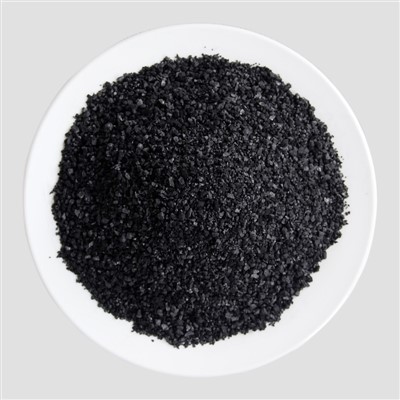
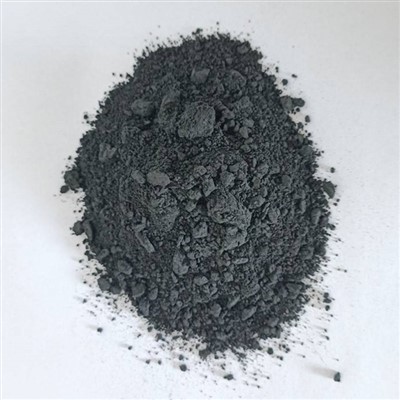
First off, let's talk a bit about what Coal-based Activated Carbon is. It's made from coal through a special activation process. This process creates a whole bunch of tiny pores on the surface of the carbon, giving it a huge surface area. Just imagine a sponge, but on a microscopic level. These pores are like little traps for all kinds of impurities, including heavy metal ions.
So, how does the adsorption process work? Well, it's all about chemistry. Heavy metal ions in electroplating wastewater are positively charged. Coal-based Activated Carbon has a negative charge on its surface due to the presence of oxygen-containing functional groups. Opposites attract, right? So, the positively charged heavy metal ions are drawn to the negatively charged surface of the activated carbon and stick to it.
There are a few factors that can affect how well the Coal-based Activated Carbon adsorbs heavy metal ions. One of the most important ones is the pH of the wastewater. Different heavy metal ions have different optimal pH ranges for adsorption. For example, chromium is more easily adsorbed at a lower pH, while nickel and copper prefer a slightly higher pH. So, we often need to adjust the pH of the wastewater to get the best adsorption results.
Another factor is the contact time between the activated carbon and the wastewater. The longer the contact time, the more heavy metal ions can be adsorbed. That's why in many treatment systems, the wastewater is passed through a bed of activated carbon multiple times to ensure maximum adsorption.
The temperature also plays a role. Generally, higher temperatures can increase the rate of adsorption, but it also depends on the specific heavy metal ions and the type of activated carbon. In some cases, a moderate temperature is the sweet spot for optimal adsorption.
Now, let's compare Coal-based Activated Carbon with another popular type of activated carbon, Coconut Shell Granular Activated Carbon. Coconut Shell Granular Activated Carbon is known for its high purity and large pore size. It's great for adsorbing organic compounds and some types of heavy metal ions. However, Coal-based Activated Carbon has its own advantages. It has a more complex pore structure, which allows it to adsorb a wider range of heavy metal ions. It's also more cost - effective, which is a big plus for many wastewater treatment facilities.
In real - world applications, Coal-based Activated Carbon has been used in countless electroplating wastewater treatment plants. For example, in a large electroplating factory, they used our Coal-based Activated Carbon to treat their wastewater. Before treatment, the concentration of heavy metal ions in the wastewater was way above the environmental standards. After passing the wastewater through a column filled with our activated carbon, the heavy metal ion concentration dropped significantly, meeting the discharge standards.
If you're in the business of electroplating or wastewater treatment, you know how important it is to find an effective and affordable solution for heavy metal removal. That's where our Coal-based Activated Carbon comes in. It's a reliable and cost - efficient way to remove heavy metal ions from electroplating wastewater.
We've spent a lot of time and effort researching and developing our Coal-based Activated Carbon to make sure it meets the highest quality standards. We're confident that it can help you solve your wastewater treatment problems. Whether you're a small electroplating workshop or a large industrial plant, we have the right solution for you.
If you're interested in learning more about our Coal-based Activated Carbon or want to discuss your specific wastewater treatment needs, don't hesitate to reach out. We're here to help you find the best solution for your business.
References:


- "Activated Carbon Adsorption Technology in Wastewater Treatment" - Journal of Environmental Science and Technology
- "Heavy Metal Ion Removal from Electroplating Wastewater using Activated Carbon" - International Journal of Environmental Engineering